1000 Free Spins No Deposit: the Tranche Run, Bench-Tested
The bench reads 1000 free spins no deposit as a scheduled run: 1,000 rounds at 5p, £50.00 of face value issued 100 spins at a time.
Offers, bench-tested
Four operators on the bench at a time: each one read against its own published terms - the entry price, the wagering load, the rails, the payout window. The readings are ours; the offers are quoted in the operator's own words.
Every card carries its reading on a 10-point dial plus four axis chips - terms, payments, withdrawal and licence. Offers move often - the operator's own page is always the current truth.

Low-deposit welcome: £5 in, 40 spins included, 35x on winnings
- Termsmid-band
- Payments3 rails
- Withdrawal0–24 hours
- Licenceoffshore

Cashback welcome on slots, wagering 30x, cap £150
- Termsmid-band
- Payments3 rails
- Withdrawal1–2 days
- Licenceoffshore

Welcome package 100% up to £100 + 50 spins on first deposit
- Termsmid-band
- Payments3 rails
- Withdrawal1–3 days
- Licenceoffshore

Crypto welcome 150% up to £500, 40x, instant rail
- Termsmid-band
- Payments3 rails
- Withdrawal2–4 days
- Licenceoffshore
Cards appear in dial order, alphabetical order breaking ties. The dial visualises published figures, not a promise; nothing here is a recommendation to gamble, and the operator's own terms decide every claim.
The spec sheet: what one thousand spins prints
A thousand spins is a schedule before it is a prize, and the bench treats the calendar as the first page of the spec. No room in this class credits 1,000 rounds in one sitting: the count arrives in daily issues, each carrying its own window, and the terms print the pace in the same breath as the stake. The headline number is the only figure the promo page volunteers; the per-spin value, the issue size and the expiry are the bench's job to collect, and all three sit in the bonus terms.
The stake under the count is the first figure to record. At this scale the per-spin value commonly reads 5p, which puts the face value of the full run at £50.00; the same count at 10p would read £100.00, and at 2p it falls to £20.00. Face value scales straight off the stake, which is why the bench writes it down before reading another line. A banner that prints only the count is quoting half a price; the other half is one row further down the sheet.
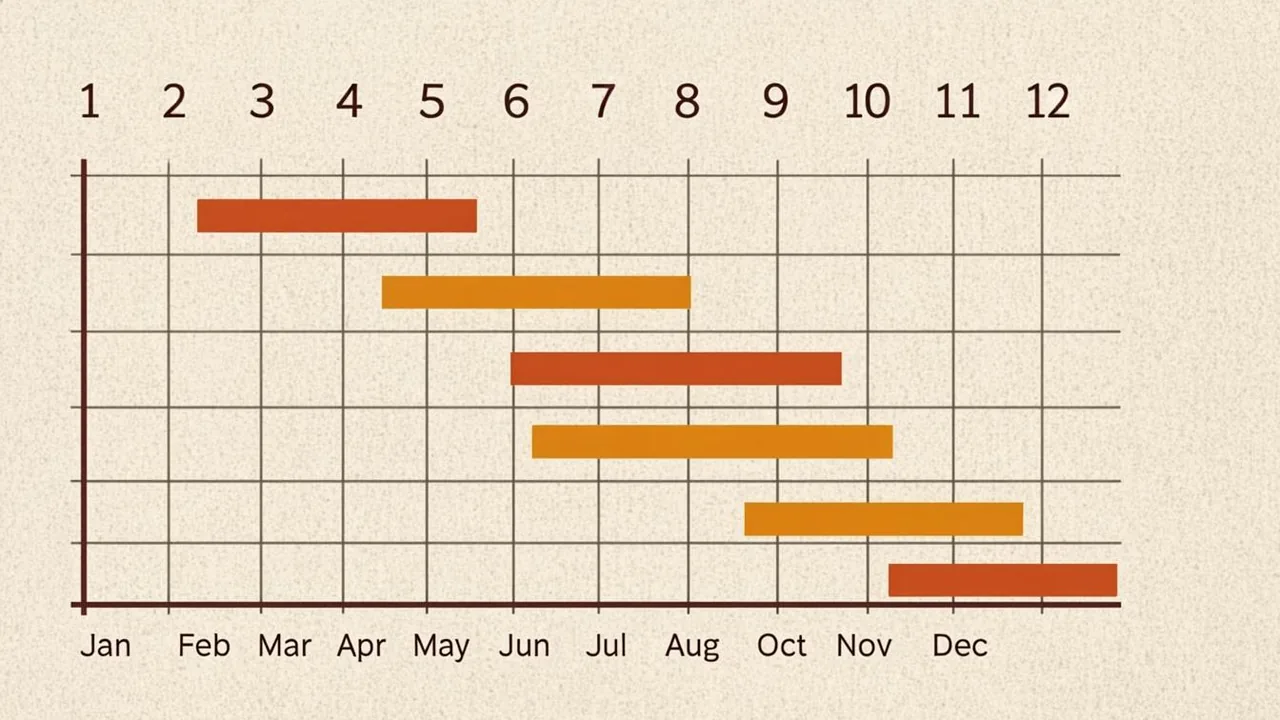
Issue shape completes the sheet. The common construction at this count is 100 spins a day over 10 days, with each day's tranche expiring on its own clock - 24 hours is the typical window, though rooms differ and the terms settle it. The shape matters because a thousand spins abandoned after two sittings is a 200-spin offer in practice, and the banner never says so. The bench reads the issue calendar before the game list, because the calendar decides how much of the printed count a normal week can actually collect.
The issue calendar: ten sittings, ten windows
Read the calendar as part of the measurement rather than as admin. A run of 100 spins a day takes ten consecutive days to collect in full, and every one of those days carries a use-by deadline: miss a sitting and that day's 100 rounds lapse, quietly and without a reminder on most rooms. The arithmetic of the offer is therefore attendance-dependent in a way a lump-sum bundle never is, and the bench logs the pace beside the price because the two decide the outcome together.
Pace also sets the practical value of each sitting. 100 spins at 5p is £5.00 of face value per day - a ten-minute sample at the fast pace slots run - and the daily expected result at the 95% return commonly published for online slots is £4.75. Neither figure is large, and that is the honest reading of the tier: the offer is a scheduled trickle, not a banked sum. the lump-sum rung below a thousand spins prices its count in one sitting, and the comparison prices the calendar faster than any figure on the sheet.
Windows deserve a row of their own because they stack. A 24-hour clock per tranche means the whole run lives or dies on daily visits: skip two days and 200 spins are gone, skip five and the offer has halved. Some rooms run 48-hour windows, which forgives a single missed day without ending the run; a few issue in larger blocks - 200 a day over five days - which concentrates both the value and the risk. The printed window is the figure that decides which of those offers a given player is actually able to finish.
Bench at a glance: 1000 Free Spins No Deposit: the Tranche Run, Bench-Tested
- Stake reading
- Commonly 1p-20p a spin
- Cap reading
- Commonly £15-£100
- Turnover reading
- Commonly 20x-65x on wins
- Clock reading
- Commonly 7-30 days
- Game reading
- One named studio
The measurement: the run counted row by row
On the bench, the arithmetic runs as a sample before grading anything. The tested spec: 1,000 spins at 5p, issued 100 a day over 10 days, each tranche on a 24-hour clock. Face value per sitting is £5.00; expected result per sitting is £4.75 at the published return; the full run reads £50.00 of face value and £47.50 expected. Those four figures are the spec. What the sample then measures is attendance - the one variable the terms leave entirely to the player's diary - and the counted rows below show what each missed day costs.
The tranche run, counted:
- Spec: 1,000 spins at 5p = £50.00 of face value, issued as 10 daily tranches of 100.
- Pace: 100 spins a day = £5.00 face per sitting, £4.75 expected at the published return.
- Clock: each tranche typically expires 24 hours after it credits, so every sitting books its own deadline.
- Attendance 7 of 10: £35.00 face collected, £33.25 expected, and £15.00 of face value lapsed unplayed.
- Full attendance: £50.00 face, £47.50 expected, ten sittings, zero lapses - the only outcome the calendar was built to pay.
Three missed days at the tested pace delete £15.00 of face value and £14.25 of expected result - a 30% haircut applied by the calendar rather than by the terms. That is the measurement this tier turns on: the per-spin value and the window are printed, the attendance figure is not, and it moves the outcome more than any dial the operator controls. A player who knows the evenings of the next ten days are free can collect the full run; a player whose week is irregular should price the offer at whatever attendance they can honestly commit to, not at the banner's count.
Tolerance stack: the dials a thousand-spin sheet can move
Per-spin value moves first among the dials, and at this count it moves furthest. The tested sheet reads 5p; sister sheets in the same class commonly run from 2p to 25p, which spreads the face value of an identical headline from £20.00 to £250.00. No other figure on the page moves that far between rooms, so the bench records the stake before the schedule, the game or the cap. A thousand spins at the bottom of the range is a smaller product than two hundred at the top, whatever the counters say.
The cap is the second dial. Winnings from a spin run this size are commonly subject to a ceiling on what they can convert to, and at this tier the ceiling typically sits between £25.00 and £100.00 - between half and double the face value of the tested run. Read the cap against the stake, not the count: at 5p a spin the tested £50.00 of face value sits comfortably inside a £100.00 ceiling, while the same ceiling on a 25p sheet would trim hard. the sheet at two hundred spins carries the same dial at a smaller scale, and the reading transfers unchanged.
Turnover and expiry complete the stack. Winnings from the run are commonly held as bonus funds until a multiple is satisfied - the band at this tier typically reads 20x to 40x on the winnings, so £4.00 of day-one winnings at 25x is £100.00 of staked play - and a stake ceiling usually governs that play while it runs. Expiry runs in the other direction: a 14-day overall window against a 10-day schedule leaves four days of margin for the turnover, and the terms that print both figures are the sheet's most load-bearing pair. Rooms that print neither should be read as rooms that hide both.
| Brand | Welcome offer | Wagering | Min dep. | Withdrawal | Payments | Licence | Dial |
|---|---|---|---|---|---|---|---|
| Gala BingoCheck the terms first | £30–£50 bingo bonus on £10–£20 (typical) | 4x bingo funds | £10 | Under 24h to PayPal | Visa · PayPal · Apple Pay · Paysafecard | UKGC | 7.4 / 10 |
| LottomartCheck the terms first | Matched first play up to £50 (typical) | Table paid cash — no wagering | £10 | 24–48h e-wallets | Visa · Mastercard · PayPal · Apple Pay | UKGC | 7.4 / 10 |
| KinghillsCheck the terms first | Crypto match up to 1 BTC equivalent (typical) | 30x–45x by game | €10 equivalent | Instant–24h on crypto | Bitcoin · USDT · Visa · Mastercard | Offshore | 7.2 / 10 |
| Mr.PlayCheck the terms first | Bet £10 get £30–£40 (typical) | 35x typical | £5–£10 | 24h e-wallets, 2–5 days cards | Visa · Mastercard · Neteller · Pay by mobile | UKGC | 7.2 / 10 |
| MidniteCheck the terms first | Matched deposit up to £/€200 (typical) | 40x typical | £10–£20 | 24h e-wallets, 2–5 days cards | Visa · Mastercard · PayPal · Apple Pay | UKGC | 6.8 / 10 |
| William HillCheck the terms first | 100% up to £/€100 + spins (typical) | 40x typical | £5–£10 | 24h e-wallets, 2–5 days cards | Visa · Mastercard · PayPal · Apple Pay | UKGC | 6.8 / 10 |
| 10betCheck the terms first | 100% up to €200 + spins (typical range) | 40x typical | €20 | 1–3 working days | Visa · Mastercard · Skrill · Neteller | Offshore | 6.1 / 10 |
| SlingoCheck the terms first | Wager-free spins on first deposit (typical) | Wager-free spins marketed | £10 | Under 24h e-wallets | Visa · Mastercard · Skrill · Apple Pay | UKGC | 5.9 / 10 |
| Dream JackpotCheck the terms first | 100% up to £/€100 + spins (typical) | 40x typical | £10–£20 | Under 24h e-wallets | Visa · Mastercard · PayPal · Bank transfer | UKGC | 5.7 / 10 |
| RollettoCheck the terms first | 150% match + rakeback (typical range) | 35x typical | €10 equivalent | 24–48h (crypto fastest) | Bitcoin · Litecoin · Visa · Bank transfer | Offshore | 4.9 / 10 |
| DonbetCheck the terms first | Matched deposit up to €/£500 + spins (typical) | 40x typical | €10 equivalent | 24–48h (crypto fastest) | Bitcoin · USDT · Visa · Mastercard | Offshore | 4.5 / 10 |
Failure points: where a thousand-spin run breaks
Lapsed sittings fail more runs than any term does. The failure mode is quiet: a tranche expires overnight, no notice arrives, and the player discovers the shortfall three days later when the counter reads short. The control is a calendar entry per sitting, set at claim time, with the last tranche's date checked against the overall expiry. The bench treats a run with no reminders as a run with a scheduled leak, and prices the offer at the attendance figure the player's real week supports.
Stake ceilings bite after the spins rather than during them. Winnings carried as bonus funds are played under a printed ceiling - £2.00 is a common reading at this tier - and one round above it can void the round or, on strict sheets, the whole balance held as bonus. The bench plans every clearing run at or under the printed ceiling and records it beside the multiple, because the two figures together set how many days the conversion takes. Terms that leave the ceiling unstated fail the sheet on completeness.
Game scope is the third. A run of this size is typically locked to one slot or a short list, and the lock decides both the variance of the sample and the pace of any conversion behind it. Excluded games add a subtler failure: play them while winnings sit as bonus funds and the rounds may count at a reduced weighting or not at all. The sheet answers in one sentence; the bench reads that sentence before the first sitting, because a run measured on the wrong game is a measurement of nothing.
The grade: one thousand spins, stamped
The stamp is a composite, and the count is the part that passes easiest. As a free product the run is real: 1,000 priced rounds at £0.00 deposited, £50.00 of face value at the tested stake, ten dated sittings. The dials decide the rest. At 5p a spin, a £100.00 ceiling and a 24-hour window per tranche, the sheet grades well for a player with ten free evenings and poorly for one without; the same count at 2p with a £25.00 ceiling grades poorly for everyone. The bench stamps the dials and lets the headline carry none of the load.
Against the rest of the shelf, the tier reads as a calendar product. Smaller bundles grade on their dials alone because a single sitting collects them whole; a thousand spins grades on the player's fortnight as much as on the terms. That is not a defect - it is what the count costs - but it belongs on the spec sheet, and rooms that print the schedule in a footnote rather than on the bonus page lose a grade for placement. The counter is the only figure this tier cannot hide.
One sheet note closes the paperwork reading: rooms at this tier typically hold offshore licences, so a dispute over a lapsed tranche is heard by the authority that issued the operator's paperwork rather than by any British body. The arithmetic above does not change with the paperwork; only the recourse behind a disagreement does, and the grade already assumes the player has read the terms closely enough not to need one.
Re-running the test before the first sitting
Re-measure at the moment of claiming, because spin sheets drift. The tested 5p stake is a common reading, not a constant: rooms revise values, windows and caps between campaigns, and a sheet saved last month is not the sheet the cashier prints today. The bench re-reads four rows at claim time - stake, issue size, window, cap - and treats any change against the saved copy as a new sample requiring a fresh stamp. Two minutes of re-reading prices the run as accurately as the first pass did.
The player-side control is the calendar itself. Ten entries, one per sitting, each with the tranche size and the expiry hour written beside it, convert a leaky schedule into a checklist. Players who track sittings this way collect close to the full printed count; players who trust memory commonly lose two or three tranches to quiet expiry, which at the tested pace is £10.00 to £15.00 of face value gone without a single round played above the ceiling. The folder is free; the lapse is not.
File the readings and every later run gets cheaper to grade. A one-row record per offer - count, stake, window, cap, multiple, expiry - builds a bench book that turns the next thousand-spin headline into a two-minute check against known dials. The board above lists rooms whose sheets read cleanly at this tier; the listed casinos' figures belong in the same book, dated, so the next revision announces itself as a change rather than a surprise. Grading a repeat offer is the cheapest test on this page.
Frequently asked questions
Are 1000 free spins really one thousand rounds?
Yes - as rounds of named slots at the printed stake, not as a cash sum. The full count is real, but it arrives on a schedule, commonly 100 spins a day over 10 days, with each tranche expiring on its own clock. At the tested 5p stake the run is worth £50.00 of face value, and collecting all of it costs ten consecutive sittings. Miss three days and the offer is a 700-spin one; the count on the banner assumes attendance nobody has promised.
How long does the full run take?
Ten days at the tested pace of 100 spins a day. Rooms running 200 a day finish in five; rooms running 50 a day stretch to twenty, and the longer schedules lose more players to missed sittings than the terms ever do. Check the overall expiry as well as the daily pace: a 10-day schedule inside a 14-day window leaves margin, while the same schedule inside a 10-day window leaves none. The pace and the window together decide whether the count is collectable in a normal week.
What are the spins actually worth?
Face value is the count multiplied by the printed stake: 1,000 at the tested 5p reads £50.00, and the same count at 2p or 25p reads £20.00 or £250.00. Expected result sits just under face - £47.50 at the 95% return commonly published for online slots - before any turnover rule or cap trims the tail. The stake is the figure to find first, because the banner prints the count and leaves the multiplier to the terms. A run without a printed stake cannot be priced.
What happens to a tranche I miss?
That day's tranche lapses, typically without a reminder, and with it the face value the sitting carried - £5.00 at the tested pace. The remaining tranches usually continue on their own clocks, so one missed day costs one sitting rather than the run; two or three missed days are where the headline stops matching the product. Some rooms offer 48-hour windows that forgive a single slip. The control is mechanical: a calendar entry per sitting, set when the offer is claimed, checked against the overall expiry.
Can I withdraw the winnings straight away?
Commonly not at once. Winnings from no-deposit runs are typically held as bonus funds until a printed multiple is satisfied - 20x to 40x on the winnings is the usual band at this tier - and a stake ceiling governs that play while it runs. A cap on conversion is the third figure: at this tier it typically sits between £25.00 and £100.00. Read all three rows before claiming, because the mean outcome of the run is set by the terms rather than by the spins.
Is a deposit needed to keep the spins?
At sign-up, usually not - the tier's premise is a run issued without a first deposit. The catches arrive later in the sheet: some rooms attach later tranches to a small top-up, some release winnings only after the multiple is met, and some want a payment method verified before any payout leaves. Read the issue schedule and the release conditions as one document, because a tranche that needs a deposit is a different offer from the one the banner describes. The terms settle these points in print.