Deposit 5 Get 200 Free Spins: the Five-Day Clock
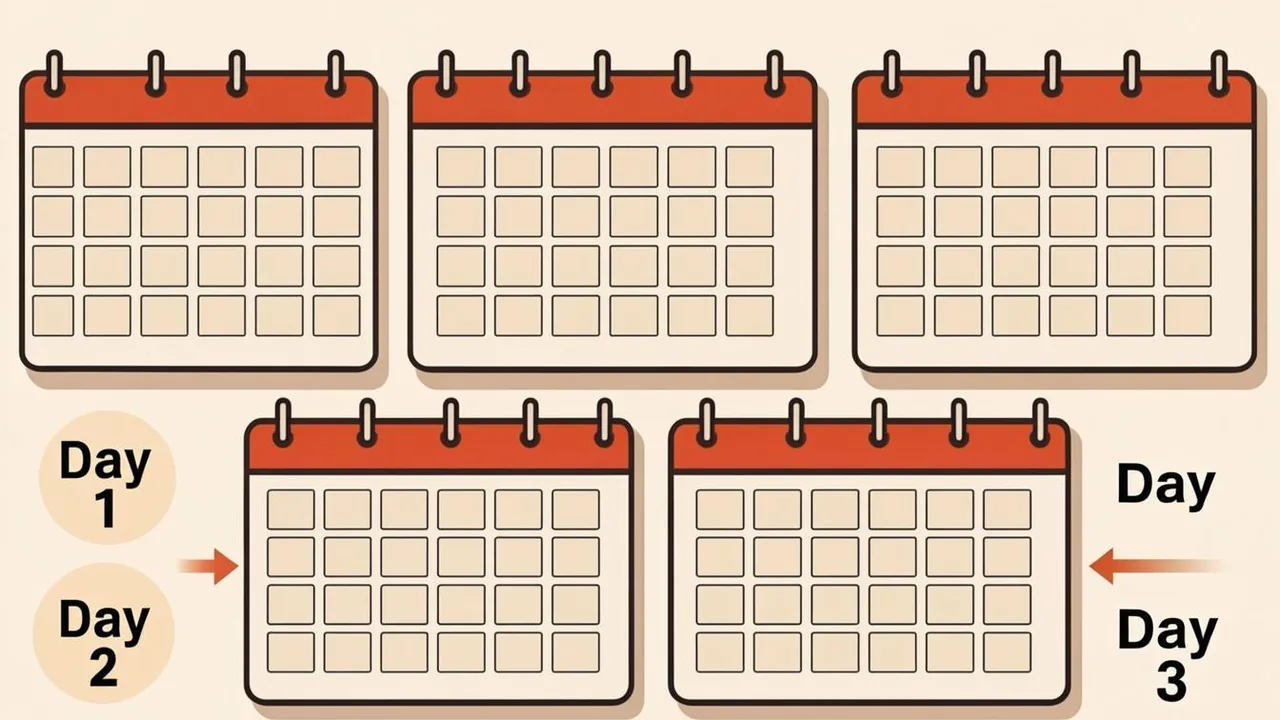
The spec sheet trades £5.00 for 200 spins at 5p, and the calendar decides the price: forty a day across five days, every missed tranche billed at £1.90.
Offers, bench-tested
Four operators on the bench at a time: each one read against its own published terms - the entry price, the wagering load, the rails, the payout window. The readings are ours; the offers are quoted in the operator's own words.
Every card carries its reading on a 10-point dial plus four axis chips - terms, payments, withdrawal and licence. Offers move often - the operator's own page is always the current truth.

Low-deposit welcome: £5 in, 40 spins included, 35x on winnings
- Termsmid-band
- Payments3 rails
- Withdrawal0–24 hours
- Licenceoffshore

Cashback welcome on slots, wagering 30x, cap £150
- Termsmid-band
- Payments3 rails
- Withdrawal1–2 days
- Licenceoffshore

Welcome package 100% up to £100 + 50 spins on first deposit
- Termsmid-band
- Payments3 rails
- Withdrawal1–3 days
- Licenceoffshore

Crypto welcome 150% up to £500, 40x, instant rail
- Termsmid-band
- Payments3 rails
- Withdrawal2–4 days
- Licenceoffshore
Cards appear in dial order, alphabetical order breaking ties. The dial visualises published figures, not a promise; nothing here is a recommendation to gamble, and the operator's own terms decide every claim.
The spec sheet: £5.00 against 200 spins
The offer states a trade: one five-pound deposit, two hundred free spins in return, no other entrance fee. The banner stops there, and the bench keeps reading, because the trade's real price lives in four further figures the banner does not carry: the stake per spin, the slot the spins run on, the calendar that issues them, and the wagering attached to whatever they win. All four sit in the terms.
First of the four figures is the stake per spin, and it is the quietest. At 5p a spin, the two hundred spins carry £10.00 of face value, the offer's honest size regardless of how the banner frames the count. A larger count at a smaller stake can be the poorer offer; face value is the unit that exposes that trade, and this page measures everything in it before anything else.
The measurement plan is fixed before the first tranche falls. The bench counts the calendar day by day, converts each tranche to face value and expected value at the commonly quoted 95% return, and then reads the tolerance sheet: the wagering tail, the winnings cap, the fixed game and the expiry clock. The order matters, because a calendar that pays on paper can still fail on attendance, and attendance is the next section's subject.
Forty spins a day: reading the issue sheet
The calendar issues forty spins a day for five days, a shape this class commonly uses to keep players returning across a working week. Each tranche is worth £2.00 of face value at the 5p stake, and the five tranches together carry the full £10.00. The issue hour is fixed by the room, commonly midnight or a stated release time, and the terms state it; the bench assumes nothing about a window it has not read.
The shape scales in both directions, and the neighbours make the comparison easy. a ten-pound, three-hundred-spin sibling sheet runs a bigger face value across a longer calendar, while smaller offers compress the same idea into fewer days. What does not scale is the discipline the calendar demands: every shape in the class bills the player for absence, and the billing rate is the figure to read before opting in.
Tranche validity is the second calendar figure. The common print gives each day's spins a window, commonly 48 hours from issue, inside which they must be used; spins left unused at the window's end lapse without credit. A calendar that issues daily but expires on the clock is stricter than it looks, because a busy Tuesday deletes a tranche that a lump-sum offer would have carried into the weekend.
Opt-in and trigger complete the sheet. The spins commonly issue after the £5.00 deposit clears, sometimes only after the player has pressed the opt-in control on the promotions page, and the two conditions are separate: a deposit without the press issues nothing. The bench reads the trigger sequence as part of the spec, because a missed press is indistinguishable from a missed tranche at the end of the week.
Bench at a glance: Deposit 5 Get 200 Free Spins: the Five-Day Clock
- Stake reading
- Commonly 1p-20p a spin
- Cap reading
- Commonly £15-£100
- Turnover reading
- Commonly 20x-65x on wins
- Clock reading
- Commonly 7-30 days
- Game reading
- One named studio
The measurement: £10.00 of face value under the clock
The arithmetic runs in one pass. Two hundred spins at 5p make £10.00 of face value; at the commonly quoted 95% rate for slots, the expected result across the full calendar is £9.50. That figure is the offer's measured worth to a player who attends every tranche, and it is the number every later reading discounts from. The deposit side stays simple: £5.00 sent once, on day one, by the rail the terms allow.
Per day, the reading is £2.00 of face and £1.90 of expected value, which makes the calendar's daily bill visible in advance. The five days are symmetric in a way real weeks are not, and that asymmetry is where the offer's practical price will move: a calendar that assumes five attended days is measuring a player who does not exist. The next section runs the attendance cases.
Expected value deserves one honesty note before the cases run. The £9.50 figure is a long-run average, not a promise for any single calendar; a five-day week of spins can land above or below it, and commonly does. The bench uses it because it is the only figure that repeats across offers, and because the tolerance readings that follow depend on it rather than on any one session's luck.
Per spin, the measurement is smaller still: a 5p stake returns an expected 4.75p, a quarter of a penny of expected cost for every spin, and two hundred spins make the £9.50 total above. The figure is worth stating because it is the size the offer actually trades at. The room's liability per spin is a fraction of a penny, which is why the calendar, the cap and the tail carry the offer's real weight rather than the stake itself.
The attendance reading: what a missed day deletes
Case one is the missed day. One absent tranche deletes £2.00 of face value and £1.90 of expected value, a fifth of the offer's measured worth gone to a calendar entry rather than to play. The deletion is automatic, silent, and stated only in the terms; no room in this class sends a reminder that a tranche is about to lapse. The billing rate for absence is the harshest figure on the sheet.
The second case is partial attendance, run at four of five days. Four tranches keep £8.00 of face value and £7.60 of expected value, four-fifths of the sheet, and the fifth tranche's £1.90 is unrecoverable at any later date. The linear shape matters: there is no catch-up mechanic in the common print, no rollover of lapsed spins, and no way to buy a missed tranche back once the window has closed.
Sister calendars grade on the same rules, which is what makes the shape worth studying. a fifteen-a-day issue calendar, the no-deposit offer spreads across ten days, and its attendance arithmetic discounts the offer by the same fractions. The lesson generalises across the class: the calendar, rather than the headline count, is the offer's real specification, and two offers carrying the same spin total can differ by a third once attendance is priced.
The fourth reading is the calendar's interaction with real weeks. A five-day calendar that starts on a Wednesday runs across a working week and finishes at the weekend; one that starts on a Friday spends its heaviest tranches on working days. The terms state the start condition, commonly first deposit or opt-in day, and the bench treats start-day choice as a legitimate part of the measurement rather than a detail.
| Brand | Welcome offer | Wagering | Min dep. | Withdrawal | Payments | Licence | Dial |
|---|---|---|---|---|---|---|---|
| Mega RichesCheck the terms first | Bet £10 get £30–£40 (typical) | 30x–40x by product | £5–£10 | 1–3 working days | Visa · Mastercard · PayPal · Apple Pay | UKGC | 8.0 / 10 |
| Bet365Check the terms first | 100% up to £/€100 + spins (typical) | 35x typical | £10 | 1–3 working days | Visa · Mastercard · PayPal · Bank transfer | UKGC | 7.6 / 10 |
| 32RedCheck the terms first | £30–£50 in free bets (typical range) | 30x–40x by product | £10–£20 | 24h e-wallets, 2–5 days cards | Visa · Mastercard · PayPal · Apple Pay | UKGC | 7.5 / 10 |
| BetWrightCheck the terms first | 100% up to £/€100 + spins (typical) | 30x–40x by product | £10 | 24h e-wallets, 2–5 days cards | Visa · Mastercard · PayPal · Apple Pay | UKGC | 7.5 / 10 |
| HollywoodbetsCheck the terms first | 100% up to £/€100 + spins (typical) | 40x typical | £5–£10 | 1–3 working days | Visa · Mastercard · Skrill · Apple Pay | UKGC | 7.3 / 10 |
| VelobetCheck the terms first | 100% up to €/£1,000 + spins (typical range) | 30x–45x by game | €10 equivalent | Instant–24h on crypto | Bitcoin · Litecoin · Visa · Bank transfer | Offshore | 7.2 / 10 |
| ParimatchCheck the terms first | Matched welcome up to €/£300 (typical) | 30x typical | €20 | 1–3 working days | Visa · Mastercard · Trustly · Bank transfer | Offshore | 6.8 / 10 |
| 10betCheck the terms first | 100% up to €200 + spins (typical range) | 40x typical | €20 | 1–3 working days | Visa · Mastercard · Skrill · Neteller | Offshore | 6.1 / 10 |
| BetfredCheck the terms first | £30–£50 in free bets (typical range) | 35x typical | £10–£20 | Under 24h e-wallets | Visa · Mastercard · PayPal · Apple Pay | UKGC | 6.1 / 10 |
| DragonBetCheck the terms first | 100% up to £/€100 + spins (typical) | 35x typical | £10 | Under 24h e-wallets | Visa · Mastercard · PayPal · Apple Pay | UKGC | 6.1 / 10 |
| RollettoCheck the terms first | 150% match + rakeback (typical range) | 35x typical | €10 equivalent | 24–48h (crypto fastest) | Bitcoin · Litecoin · Visa · Bank transfer | Offshore | 4.9 / 10 |
| RoobetCheck the terms first | Matched deposit up to €/£500 + spins (typical) | 35x typical | €10 equivalent | Under 24h on crypto | BTC · ETH · USDT · MuchBetter | Offshore | 4.9 / 10 |
Tolerances: the wagering tail, the cap and the fixed slot
The wagering tail is the largest tolerance. Winnings from the spins commonly carry their own multiple, and at 35x the full-attendance case attaches £332.50 of turnover to £9.50 of expected winnings. At £0.50 a round that is 665 rounds, which clears inside four days at two hundred rounds a day, or overruns a seven-day window entirely at a leisurely pace. The tail converts a small gift into a schedule of its own.
The winnings cap is the second tolerance. This class commonly caps what the spins can pay, and £50.00 is a workable reading of the standard print: a run of luck worth £120.00 on the fixed slot would pay £50.00 and surrender the rest. Against £9.50 of expected winnings the cap is dormant; against a good week it is decisive, and the bench records it as the offer's working maximum.
The fixed slot is the third. The spins run on one game the terms name, at the 5p stake the terms set, with no substitution and no carry-over to other titles. The game's own return figure drives every calculation on this page, which is why the measurement quotes the commonly used 95% and the player's first check is the info screen of the game the terms actually name.
The last tolerance is the withdrawal lock. Until the tail clears, rooms commonly hold the balance out of the payout queue, so the calendar's winnings are playable but not payable for the tail's duration. Combined with the 48-hour tranche windows and the five-day issue sheet, the offer is best read as a nine-day project with a £5.00 entrance fee, and the grade at the end of this page prices it on exactly that basis.
Failure points: where the calendar breaks
The lapsed tranche comes first, already priced at £1.90 per missed day. The second break is the missed press: an unclaimed opt-in at the start of the week can void the entire calendar before the first spin falls, and rooms commonly refuse to reissue. Both failures are administrative rather than unlucky, and both sit in the terms ahead of any deposit.
The rooms that run these calendars typically hold an offshore licence, so a dispute over a tranche lapsed or a reissue refused goes to the authority that issued the site's paperwork rather than to any British scheme. The bench records that fact once and returns to the figures, because the calendar's arithmetic is the part of the offer a player can verify in advance and the regulator is not.
The third break is the tail overrun. A player who attends every tranche, wins at expectation and then misses the wagering window forfeits winnings already earned, which is the calendar's harshest outcome: the gift was real, the play was real, and the schedule defeated both. The pace check in the tolerance sheet exists to prevent exactly this case, and it takes one minute with a calculator.
Last of the breaks is the cap collision. A large early win on the fixed slot triggers the £50.00 ceiling, and the terms commonly end the calendar's value at that moment: remaining tranches still issue, but a capped offer is a shadow of the sheet. The bench grades the cap as a boundary condition rather than a fault, because it is printed, but a player should know which outcome it truncates.
The grade: what the five-day calendar earns
The grade prices the offer as a schedule. Full attendance converts a £5.00 deposit into £9.50 of expected play plus a 665-round tail; four days out of five keep £7.60 of that; every missed tranche bills £1.90 without appeal. Measured against the class, the trade is honest: the face value is stated in the stake, the calendar is stated in the terms, and nothing in the arithmetic hides.
The re-test runs four checks in one pass: the stake per spin, the tranche count and window, the wagering multiple on winnings, and the cap. A player who can state all four figures from the terms can predict the offer's outcome before the first deposit, which is the standard every offer on the board above should be held to. The calendar makes that test unusually easy to run, and unusually expensive to skip.
The verdict on shape is the last reading. Five days at forty spins suits a player with a regular evening hour and a £5.00 budget; it punishes a player whose week is irregular, because the calendar bills absence at a fixed rate. The listed casinos run variants of every length, and the same four-figure test grades all of them. The schedule is the offer; the spins are merely its units.
Frequently asked questions
How many free spins do I get for a £5 deposit?
Two hundred on this offer's print, issued as forty a day for five consecutive days. The count alone understates the trade: each spin carries a 5p stake, so the full calendar is worth £10.00 of face value, and the terms state the game, the issue hour and the expiry window. The bench reads all four figures before treating any spin count as a price.
What happens if a tranche is missed?
That day's tranche lapses when its window closes, and with it £2.00 of face value and £1.90 of expected value. There is no rollover in the common print, no catch-up issue, and no compensation. Four of five attended days keep £7.60 of the offer's expected worth, which is why the calendar, rather than the headline count, decides what the offer is actually worth to a given player.
Are the winnings from the spins free money?
Commonly not immediately: winnings from free spins usually carry their own wagering multiple before they convert to withdrawable cash. At 35x, this calendar's expected £9.50 of winnings attaches £332.50 of turnover, which is 665 rounds at a 50p stake. Some offers run wagering-free, and those state it in the terms; where the terms are silent, the tail is the assumption to price.
Why is the spin stake so small?
Because the stake is where the offer's cost sits. At 5p a spin, two hundred spins cost the room £10.00 of face value at most, a figure the deposit more than covers once play runs. The small stake also keeps the session's swings modest and the fixed game's maths slow-moving. The stake is printed on the offer sheet, and it is the first figure the bench reads for exactly those reasons.
Can I pick the game my spins play on?
No, not in the common print. The terms name one fixed slot, set the stake, and end the matter there; the spins carry no value on any other title. The game choice matters more than it looks, because its return figure drives every expected-value reading on the offer. Check the game's info screen before opting in, and treat an unnameable game as a figure the sheet refuses to state.
Is this offer better than a no-deposit spin offer?
It depends on attendance and on the tail. A £5.00 deposit commonly buys a larger face value and a longer calendar than the no-deposit class, but it attaches wagering to winnings and bills missed days. A no-deposit offer costs nothing to enter and usually carries a smaller sheet with a tighter cap. The honest comparison adds up face value, tail and attendance risk for both, then lets the figures decide.