Muchbetter Casino: the Wallet Rail on the Bench
A £25.00 deposit through the MuchBetter rail reads £25.00 on the balance, and the bench counts the £60.00 trip back out at £0.00 of rail fee.

Offers, bench-tested
Four operators on the bench at a time: each one read against its own published terms - the entry price, the wagering load, the rails, the payout window. The readings are ours; the offers are quoted in the operator's own words.
Every card carries its reading on a 10-point dial plus four axis chips - terms, payments, withdrawal and licence. Offers move often - the operator's own page is always the current truth.

Low-deposit welcome: £5 in, 40 spins included, 35x on winnings
- Termsmid-band
- Payments3 rails
- Withdrawal0–24 hours
- Licenceoffshore

Cashback welcome on slots, wagering 30x, cap £150
- Termsmid-band
- Payments3 rails
- Withdrawal1–2 days
- Licenceoffshore

Welcome package 100% up to £100 + 50 spins on first deposit
- Termsmid-band
- Payments3 rails
- Withdrawal1–3 days
- Licenceoffshore

Crypto welcome 150% up to £500, 40x, instant rail
- Termsmid-band
- Payments3 rails
- Withdrawal2–4 days
- Licenceoffshore
Cards appear in dial order, alphabetical order breaking ties. The dial visualises published figures, not a promise; nothing here is a recommendation to gamble, and the operator's own terms decide every claim.
The rail list: what MuchBetter is on paper
MuchBetter is an app-based wallet, and on the bench it is a rail before it is a name: a pipe that carries money from a phone to a room and back. The paper spec is short. Deposits run from the app to the room's cashier, commonly arriving as instant credit; withdrawals run the other way, back to the same wallet; the wallet itself sits between a bank and the balance, which keeps card details out of the room's file.
What the bench tests a rail for is fixed across every payment page on this site: fee behaviour in and out, the floor and ceiling the room sets, the pending window before a payout leaves, and the match between the account name and the wallet name. Four readings, all checkable from the cashier page and the terms, and all four grade before any promotion does. A rail that fails any one of the four is swapped out at the cashier, not litigated after the balance moves.
Rails are measured separately from rooms for a plain reason: the same rail behaves differently at different rooms, while the rail's own mechanics stay constant. A wallet does not choose its fee policy; the room's cashier does. The sheet therefore separates the two, and the board above lists which rooms carry the rail at all. Acceptance is commonly narrower than for debit cards, which is a figure to check before a bonus is planned around the method.
One structural reading belongs here because the rail's design produces it: a wallet balance is a holding pen between bank and room, so the player's bank statement shows transfers to and from the wallet rather than to and from the room. That separation is the rail's quiet working feature, and it costs nothing to use. It is not privacy from the wallet itself, which runs its own checks at sign-up, and the sheet records it as design rather than as a loophole.
Deposit readings at the rail
Deposit readings start at the fee entry, and the commonly reported case for this rail is a nil fee on the deposit side: the room receives what the app sends. The sample run below books exactly that reading, hedged as typical rather than universal, because individual rooms can and do attach their own processing charges to any method. The cashier page is the source of truth, and it sits one tap away before any deposit is made. The fee entry is the first figure the sheet books, and a nil there is the reading the rest of the run assumes.
Against the other wallets, the rail's deposit side reads as a middle-of-the-sheet entry: instant like its peers, app-native where the older wallets are web-native, and commonly free where some routes take a cut. the three veteran wallets on one sheet grades them on identical columns, and the comparison worth keeping is structural rather than promotional: every wallet moves instant credit, and the differences live in fees, limits and acceptance breadth.
Deposit floors and ceilings are room-set tolerances rather than rail constants. The rail's own app limits are one reading and the room's cashier limits are another, and the binding figure is always the smaller of the two. Floors commonly sit at low single figures in pounds at the flexible end of the market, but the sheet hedges every such number: read the room's cashier page and the wallet's own app, and take the smaller of any two printed figures.
Bench at a glance: Muchbetter Casino: the Wallet Rail on the Bench
- Speed reading
- Instant to minutes
- Payout reading
- Same-day to 5 days
- Fee reading
- Rail-dependent, often zero
- Limit reading
- Rail ceilings apply
- Routing reading
- Pay-outs leave by another rail
Sample run: £25.00 in and £60.00 out, counted
The receipt runs one complete trip through the rail at a modelled room, with the deposit sized at £25.00 and the withdrawal at £60.00 so the receipt covers both directions. The figures are the commonly reported shape of the rail: nil deposit fee, a pending window before payout, and the wallet credit arriving without a second fee. Every line is checkable against the two cashier pages the trip crosses.
The round trip, counted line by line:
- Deposit £25.00 from the app; the room balance reads £25.00 credited.
- Deposit fee in the commonly reported case: £0.00 at the cashier.
- Withdrawal request for £60.00 placed on a Tuesday morning, pending 24 hours.
- Wallet receipt lands the day after approval; the fee entry reads £0.00.
- Round trip: £85.00 moved, £85.00 accounted for, hedged as the typical case.
Read against the four tests, the sample passes on all four at the modelled room: fee behaviour nil in both directions, floor cleared, pending window stated, name match trivial because the withdrawal returns to the wallet it came from. The hedge travels with the receipt: rooms vary, fees can appear at the margins, and the two cashier pages outrank any receipt written about them, including this one.
Rail timing is not the whole timing story, and the receipt leaves the room's own first-payout routine outside its lines: a first withdrawal commonly waits for the room's checks regardless of method, and the wallet cannot shorten that queue. The sheet therefore separates rail timing from room timing throughout, because the two windows add rather than substitute, and only the second one is printed in the cashier terms of the room itself.
Withdrawal windows on the wallet rail
Withdrawal timing splits into two windows, and the sheet prices them separately. The pending window is the room's own review time before a payout leaves, commonly printed in the cashier terms and commonly running to a day or so at the faster end. The transfer window is the rail's own journey after that, and an app wallet commonly completes it in hours rather than the days a bank transfer can take. Neither figure is guaranteed; both are printed somewhere.
The name match is the reading that catches players, and it costs one glance. A withdrawal returns to the wallet it came from when the account name and the wallet name agree, and it stalls when they do not. Sign the wallet up in the name that will sign the room account, and the failure point disappears from the sheet entirely. Mismatched names are among the commonest causes of a paused payout across every rail this site has measured.
Compared with the other app-native routes, the withdrawal side is where wallets separate from cards and banks rather than from each other. the app wallet rail counted line by line books the comparable readings for the phone-native card rails, and the pattern they share is simple: instant deposits, quick returns, and the room's pending window as the long pole in every payout's tent. Wallets grade on the same window arithmetic as any other rail; only the speed of the last leg differs.
Weekends and verification are the two tolerances that move windows in practice. A payout requested late on a Friday commonly waits for a working day at rooms that process on business days, and a first withdrawal at a new account can wait for the room's own checks regardless of the rail. Both delays are the room's, not the rail's, and both are stated in the terms the bench reads before the receipt is written.
| Brand | Welcome offer | Wagering | Min dep. | Withdrawal | Payments | Licence | Dial |
|---|---|---|---|---|---|---|---|
| JackpotJoyCheck the terms first | Spend £10 play with £40–£70 (typical) | 2x–4x bingo / 40x pokies | £5–£10 | 1–2 working days | Visa · Mastercard · PayPal · Pay by mobile | UKGC | 9.2 / 10 |
| PlayOJOCheck the terms first | 50–100 wager-free spins (typical range) | Wager-free spins marketed | £10–£20 | 1–2 working days | Visa · Mastercard · Neteller · Pay by mobile | UKGC | 7.7 / 10 |
| Foxy BingoCheck the terms first | £30–£50 bingo bonus on £10–£20 (typical) | 2x–4x bingo / 40x pokies | £10 | 24–48h e-wallets | Visa · Mastercard · PayPal · Pay by mobile | UKGC | 7.4 / 10 |
| LottolandCheck the terms first | Matched first play up to £50 (typical) | Table paid cash — no wagering | £10 | 24–48h e-wallets | Visa · Mastercard · Skrill · Apple Pay | UKGC | 7.4 / 10 |
| Genting CasinoCheck the terms first | Matched deposit up to £/€200 (typical) | 40x typical | £10–£20 | 1–3 working days | Visa · Mastercard · Skrill · Apple Pay | UKGC | 7.3 / 10 |
| JackpotCityCheck the terms first | 100% up to €/£100 + 50 spins (typical) | 30x typical | €10–€20 | 2–5 working days | Visa · Mastercard · Trustly · Bank transfer | Offshore | 6.3 / 10 |
| 10betCheck the terms first | 100% up to €200 + spins (typical range) | 40x typical | €20 | 1–3 working days | Visa · Mastercard · Skrill · Neteller | Offshore | 6.1 / 10 |
| NYSpinsCheck the terms first | 100% up to £/€100 + spins (typical) | 35x typical | £10–£20 | Under 24h e-wallets | Visa · Mastercard · Neteller · Pay by mobile | UKGC | 6.1 / 10 |
| Sun BingoCheck the terms first | Spend £10 play with £40–£70 (typical) | 40x bonus / 2x bingo | £5 | Under 24h to PayPal | Visa · Mastercard · PayPal · Pay by mobile | UKGC | 5.7 / 10 |
| Fat PirateCheck the terms first | Crypto match up to 1 BTC equivalent (typical) | 45x typical | €20 equivalent | 24–48h (crypto fastest) | Bitcoin · Litecoin · Visa · Bank transfer | Offshore | 4.2 / 10 |
| NineWinCheck the terms first | Matched deposit up to €/£500 + spins (typical) | 45x typical | €10–€20 | 24–48h (crypto fastest) | BTC · ETH · USDT · MuchBetter | Offshore | 4.2 / 10 |
Tolerance bands: fees, limits and drift
Fee behaviour has a quiet third case between the nil-fee deposit and the nil-fee withdrawal: currency conversion. The wallet holds balances in its own currencies, and a room that prices in a different one can trigger a conversion at the wallet's published rate with a margin on top. The sample run dodges it by staying in pounds, but the tolerance is real, commonly quoted in per cent, and avoidable by matching the wallet currency to the room's.
Limits drift between rooms on the same rail, and the binding constraint is always the smaller of the wallet's figure and the room's. A wallet's top-up ceiling is one number, the room's deposit ceiling another, and a withdrawal can meet a third. The sheet treats all three as printed tolerances to be read, not remembered, because the same rail can carry different ceilings at two rooms a street apart. Both readings come free: the limits are printed on the pages the deposit itself would use anyway.
The rooms that carry the rail usually answer to an offshore regulator, a genuine authority that is not a British one, so the British ombudsman route does not stand behind a balance held there, and payment convenience changes none of that. What the sheet can add is mechanical: the two cashier pages, the name match and the currency match are the player's half of the reading, and they hold at any room on the board above.
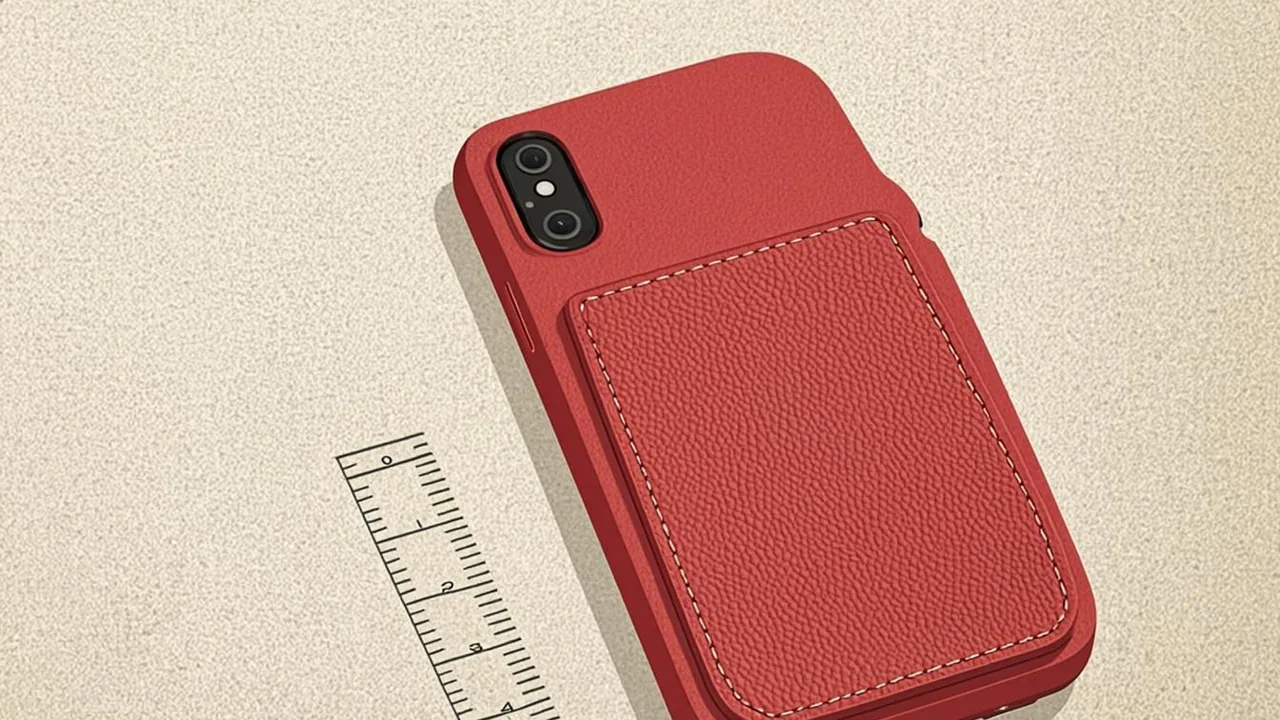
Grading the rail against the alternatives
Graded on the four tests, the rail passes the modelled sheet with two qualifications: acceptance breadth, which is commonly narrower than the debit cards, and conversion behaviour when currencies do not match. The low-entry end of the market, where floors and fees matter most per pound moved, is where the rail's typically nil deposit fee does its best work, and the board's smaller-entry sheets read exactly that way.
Against debit cards the trade is structural: the wallet keeps card details out of the room's file and adds one app between bank and balance, while the card keeps the rail count down and leans on its own dispute machinery. Against the older wallets the trade is breadth: the newer app carries fewer accepting rooms in many lists. Neither trade grades as better in the abstract; the sheet prices them and the player chooses.
One line belongs at the bottom of the column: no rail improves a room's terms. A wallet moves money; the multipliers, caps and windows live in the terms whatever the method. The bench grades the rail on movement and the room on everything else, and the two grades never substitute for each other on the sheet, and no cashier page should be read as if they did.
The bench sheet, stamped
Stamped, the sheet reads: deposit £25.00 credited at £25.00 with the fee entry at £0.00 in the typical case; withdrawal £60.00 pending roughly a day and arriving at the wallet the next day at the modelled room; limits room-set and wallet-set with the smaller figure binding; conversion the one fee that needs managing before it appears. Four readings, all checkable, all hedged where the market hedges.
The rail grades as a clean pipe with an app on the front: instant on the way in, quick on the way back, and quiet on fees while the currencies match. Its weaknesses are breadth and conversion, and both are readable before a deposit rather than after a payout. That is the correct shape for a payment reading: the surprises should be gone before the money moves.
The board above lists the rooms that carry the rail, graded on the same columns this site applies everywhere. The receipt travels: run the two cashier pages, match the names, match the currencies, and the sample above is reproducible at any accepting room. Payment pages do not need adjectives; they need two fee entries, two windows and a name match, and now the sheet carries all four. Nothing in that list is hard to check, which is the point of listing it.
Frequently asked questions
Is MuchBetter accepted at many casinos?
Less widely than debit cards, commonly, and the honest check is the cashier page rather than the promotion. The rail appears across a solid slice of the market, particularly at rooms that lead with app payments, but acceptance is room-by-room and the board above exists precisely to shortlist the carriers. Confirm the rail before planning a bonus around it, because a bonus claimed on a method the room excludes is a claim the terms can refuse.
Does MuchBetter charge fees at casinos?
The commonly reported shape is a nil fee on deposits and a nil fee on withdrawals at the room, with the wallet's own conversion margin as the case to watch. The sample run books £0.00 in both directions at a modelled room in pounds. Rooms can attach their own charges to any method, so the two cashier pages remain the source of truth, and the sheet treats any printed fee as a figure to price, not a scandal.
How fast do MuchBetter withdrawals arrive?
In two windows. The room's pending window runs first, commonly a day or less at the faster operators, and the wallet transfer completes in hours once approved at the modelled shape used here. Add them and a typical payout reads one to two days, with weekends and first-withdrawal checks as the two common delays. The printed windows in the room's cashier terms outrank every general figure, including the ones on this sheet.
Is a wallet the safer choice beside a debit card?
The structural answer is that the wallet keeps card details out of the room's file: the room sees the wallet, the wallet sees the bank, and the two never share a screen. A card keeps the rail count down and carries its own dispute machinery. Safety on this bench is a measurement of exposure, not a feeling, and the exposure readings favour separation; the terms of the room decide the rest.
What is the minimum deposit with MuchBetter?
It is set twice: once by the wallet's app limits and once by the room's cashier, and the smaller figure binds. Low-entry rooms commonly print floors in the low single figures in pounds, but the range across the market is wide enough that the sheet refuses to quote a market figure. Read the cashier page for the room and the app for the wallet, and assume the smaller of the two printed numbers.
Do bonuses pay the same through a wallet?
Usually, with one known exception to check: some rooms exclude particular e-wallets from specific offers, and the exclusion is printed in the bonus terms, not on the cashier page. The bench's instruction is mechanical: read the offer's terms for the method list before claiming, because a bonus credited to an excluded method can be refused at withdrawal. Where the method is listed, the multiplier, cap and clock behave exactly as they do on any other rail.