Ethereum Casino: Gas, Approvals and the Register Check
Two transactions and a £0.48 spread stand between a £40.00 deposit and the balance, and the bench counts every step.

Offers, bench-tested
Four operators on the bench at a time: each one read against its own published terms - the entry price, the wagering load, the rails, the payout window. The readings are ours; the offers are quoted in the operator's own words.
Every card carries its reading on a 10-point dial plus four axis chips - terms, payments, withdrawal and licence. Offers move often - the operator's own page is always the current truth.

Low-deposit welcome: £5 in, 40 spins included, 35x on winnings
- Termsmid-band
- Payments3 rails
- Withdrawal0–24 hours
- Licenceoffshore

Cashback welcome on slots, wagering 30x, cap £150
- Termsmid-band
- Payments3 rails
- Withdrawal1–2 days
- Licenceoffshore

Welcome package 100% up to £100 + 50 spins on first deposit
- Termsmid-band
- Payments3 rails
- Withdrawal1–3 days
- Licenceoffshore

Crypto welcome 150% up to £500, 40x, instant rail
- Termsmid-band
- Payments3 rails
- Withdrawal2–4 days
- Licenceoffshore
Cards appear in dial order, alphabetical order breaking ties. The dial visualises published figures, not a promise; nothing here is a recommendation to gamble, and the operator's own terms decide every claim.
The spec sheet: Ethereum at the cashier
The spec sheet for an ethereum casino reads differently from Bitcoin's from the first line, because Ethereum charges for computation rather than for block space. Every action on the chain - a transfer, an approval, a token movement - carries a gas price set by demand at the moment it is sent. The result is a cashier with two cost lines where a card cashier has none, and both of them move by the hour. Neither line is large on a good hour, and both are printed at signing, which is more than a card cashier shows - the reading is honest, it is simply alive.
The second structural difference is the token layer. A casino may accept ether itself, or any of the tokens issued on its rails, and a token deposit is two transactions: an approval that lets the room's address collect the token, then the transfer itself. Each transaction carries its own gas. The approval is the step players miss, and it is the reason a token deposit can cost twice the gas of a plain ether one.
Neither difference is a defect; both are readings. Gas buys certainty in seconds rather than tens of minutes, which makes Ethereum the faster chain at the cashier once the fees are paid, and tokens ride the same rails with a stablecoin's steadiness available one network over. The sheet below measures the costs, the clock, the spread and the licence in that order.
The gas meter: quiet hours against peak
Gas is priced at auction, and the auction keeps hours. Quiet stretches - late nights, weekend mornings, the gaps between market events - clear a standard transfer for well under a pound. Peaks, commonly driven by a busy token launch or a violent market move, can bid the identical transfer into several pounds within an hour. The bench records both readings because an ethereum deposit made at the wrong hour can cost more in gas than the spread takes all day. The auction also publishes its book, so the hour can be watched before it is spent, which is the one piece of good news on this meter.
The meter also splits by network, and the split is worth a paragraph. Ethereum's main chain carries the deepest liquidity and the dearest gas; cheaper networks carry the same tokens for pennies at the cost of an extra switch in the wallet. Where the room accepts both, the saving is real but the network field becomes the single point of failure. the stablecoin route across those same rails measures that trade on its own sheet, and the two meters there read the same lesson.
Timing is the player's only lever on this meter, and it is a strong one. The fee is known to the wallet before signing - quoted as a range, with the actual price written when the block accepts it - so a player who watches the quote for a day learns the hours without spending anything. The bench grades that observation hour as the best-paid fifteen minutes in the category. The bench re-runs the observation every season, because the auction's timetable shifts with the market's, and last quarter's quiet hours are this quarter's peak.
Bench at a glance: Ethereum Casino: Gas, Approvals and the Register Check
- Confirmation reading
- Commonly 1-3 blocks
- Fee reading
- Chain-dependent, time-of-day swings
- Drift reading
- Balance moves while you play
- Payout window
- Operator-set, often fast
- Address reading
- Test send first
Approvals, transfers and the confirmation clock
The two-step deposit deserves its own reading because it fails in a characteristic way. An approval without a transfer moves nothing; a transfer without an approval is refused by the token itself. The wallet sequences them, the chain charges each one, and a first-time depositor who budgets one fee meets two. The receipt shows both lines, and the second transfer should not be signed until the first is confirmed.
The clock on Ethereum runs in seconds rather than tens of minutes: blocks land roughly every twelve seconds when this sheet was written, which makes the chain's part of a deposit the fastest in the category. The room's confirmation count then sits on top, commonly one to three blocks for a first deposit, which puts the whole wait inside a couple of minutes on a good hour. Speed is the chain's genuine pass on this sheet.
Congestion has a history worth stamping, too. The network's fee auction has produced queue-ups in the past - entire afternoons where simple transfers waited behind a market frenzy - and while upgrades have widened capacity, the bench treats congestion as a recurring tolerance rather than a solved problem. A deposit planned for a quiet hour is planned around a reading that has bitten before and will bite again; the twelve-second block is an average, not a promise.
Withdrawals reverse the flow with the same two meters: the room's payout queue first, the gas meter second. A token withdrawal needs the room's side to broadcast, the chain to write it, and nothing else - no approval at this end, because the room holds the tokens. The receipt should show one gas line and the amount; anything more belongs in a question to support before the balance is spent.
The spread and the small-deposit problem
The conversion spread completes the sheet, and on Ethereum it compounds with gas in a way small deposits feel first. Both costs are broadly flat in shape - gas barely scales, the spread scales exactly - so their combined percentage is steepest at the bottom of the deposit range. The bench therefore grades the minimum deposit by what arrives, not by what is sent, and the interval between the two is this page's truest reading on the sheet. It is also the reading the cashier is least likely to print, which is why the five-line run below computes it instead.
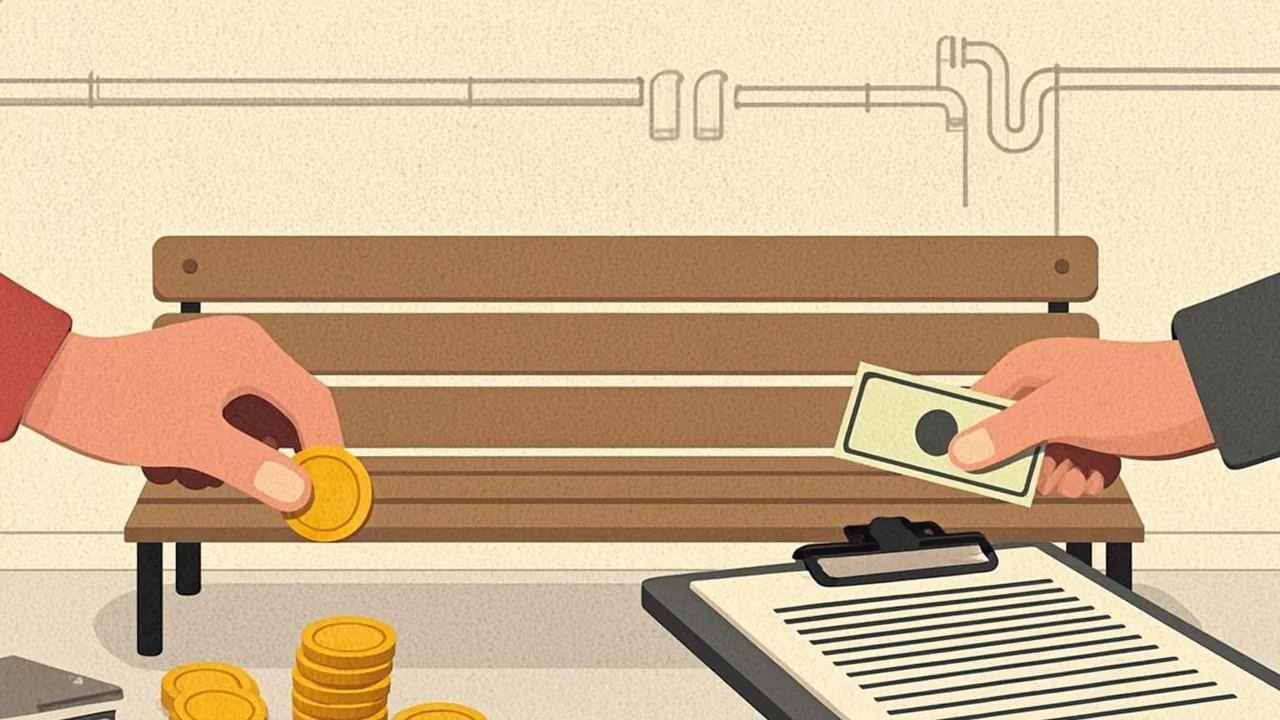
The worked sample run: one £40.00 deposit and one £20.00 withdrawal, counted line by line:
- Line one: £40.00 of token bought at a 1.2 percent spread costs £0.48 at the desk.
- Line two: the approval transaction takes £1.10 in gas before any transfer exists.
- Line three: the transfer itself takes £0.75 more, and £37.67 is credited to the balance.
- Line four: a £20.00 withdrawal later pays £0.95 in gas and £0.24 of spread when it leaves.
- Line five: the round trip costs £3.52, which is 8.8 percent of the £40.00 the session began with.
Two of the five lines are avoidable with an hour's patience, one is negotiable and two are structural. The gas lines fall at quiet hours; the spread shrinks on stablecoin routes or with a room that quotes tighter rates at volume; the approval and the withdrawal's gas are the chain's own tolls, payable by anyone who plays on these rails. That split is the grade: timing beats shopping, and shopping beats nothing.
Small deposits suffer this sheet worst, which is why the low-deposit corner of the network needs its own reading. A pound-scale transfer can meet £1.85 of gas before it moves - more than the deposit itself - and the room's minimum exists partly to keep that ratio honest. where a one-pound deposit actually clears grades the small-stake routes properly, and card or voucher rails rather than gas are the method that survives them.
| Brand | Welcome offer | Wagering | Min dep. | Withdrawal | Payments | Licence | Dial |
|---|---|---|---|---|---|---|---|
| LiveScore BetCheck the terms first | Matched deposit up to £/€200 (typical) | 35x typical | £5–£10 | 1–3 working days | Visa · Mastercard · PayPal · Bank transfer | UKGC | 7.6 / 10 |
| LeoVegasCheck the terms first | £30–£50 in free bets (typical range) | 30x–40x by product | £5–£10 | 24h e-wallets, 2–5 days cards | Visa · Mastercard · Skrill · Apple Pay | UKGC | 7.5 / 10 |
| HollywoodbetsCheck the terms first | 100% up to £/€100 + spins (typical) | 40x typical | £5–£10 | 1–3 working days | Visa · Mastercard · Skrill · Apple Pay | UKGC | 7.3 / 10 |
| 7betCheck the terms first | Matched deposit up to £/€200 (typical) | 30x–40x by product | £5–£10 | Under 24h e-wallets | Visa · Mastercard · PayPal · Bank transfer | UKGC | 6.4 / 10 |
| NYSpinsCheck the terms first | 100% up to £/€100 + spins (typical) | 35x typical | £10–£20 | Under 24h e-wallets | Visa · Mastercard · Neteller · Pay by mobile | UKGC | 6.1 / 10 |
| Sun BingoCheck the terms first | Spend £10 play with £40–£70 (typical) | 40x bonus / 2x bingo | £5 | Under 24h to PayPal | Visa · Mastercard · PayPal · Pay by mobile | UKGC | 5.7 / 10 |
| MystakeCheck the terms first | 100% up to €/£1,000 + spins (typical range) | 35x typical | €20 equivalent | Under 24h on crypto | USDT · BTC · ETH · TRX · Visa | Offshore | 5.5 / 10 |
| GamdomCheck the terms first | Matched deposit up to €/£500 + spins (typical) | 40x typical | €10 equivalent | Under 24h on crypto | USDT · BTC · ETH · TRX · Visa | Offshore | 5.1 / 10 |
| RoobetCheck the terms first | Matched deposit up to €/£500 + spins (typical) | 35x typical | €10 equivalent | Under 24h on crypto | BTC · ETH · USDT · MuchBetter | Offshore | 4.9 / 10 |
| DonbetCheck the terms first | Matched deposit up to €/£500 + spins (typical) | 40x typical | €10 equivalent | 24–48h (crypto fastest) | Bitcoin · USDT · Visa · Mastercard | Offshore | 4.5 / 10 |
| RainbetCheck the terms first | Crypto match up to 1 BTC equivalent (typical) | 40x typical | €20 equivalent | Under 24h on crypto | BTC · ETH · USDT · MuchBetter | Offshore | 4.5 / 10 |
The regulator passport: the licence behind the token layer
Speed and gas make the cashier measurable; the licence makes it accountable, and the accountability is checked the same way on every page of this site. Ethereum rooms cluster offshore, and a large share hold Curaçao licences issued under the LOK, which is the island's reformed gaming law, overseen by the Curaçao Gaming Authority after the master-licence era ended and legacy holders completed their move during 2025. The reform matters at the bench because it gives the register a single, current format to check against.
The check runs as follows. The room's own licence page carries a company name and a licence number; the Curaçao Gaming Authority publishes a register; the two are compared, and only a live match passes. A number that resolves to nothing, or to a firm other than the one behind the cashier, is a failing mark no token standard can repair. Five minutes, one tab, and the reading outlasts every fee on the sheet. It is also the only reading on this page that a room cannot improve by timing, which is exactly why it runs first.
The boundary then needs printing, because Ethereum's speed can dress it up. A Curaçao licence does not follow the player to Britain: no British ombudsman, no cover under the national self-exclusion register, and a complaint that finishes at the operator's own regulator. The chain settles transfers in seconds; disputes do not settle at all without a regulator, and the regulator is the island's. The best ethereum cashier on any board is the one whose register entry reads clean before the first transfer, not the fastest.
Stablecoins and the smoothed meter
The steadiest reading on Ethereum belongs to the tokens pegged one to one against a currency. A deposit priced in a stablecoin still pays gas, still needs the approval-and-transfer pair, and still meets a spread at the desk, but the price-drift line on the receipt reads close to zero, because the peg keeps the rate between signing and credit.
That smoothing changes the grade of the whole sheet for active players. Wagering requirements, bonus maths and balance tracking all assume a figure that stays put; a volatile balance quietly rewrites them between sessions, while a stable one lets the terms read the same on Friday as they did on Monday. The bench grades stablecoin rails as the low-variance instrument of this category: same gas, same clock, less drift.
Choosing between ether and a token is the last reading, and it is mostly a question of which receipt a player prefers to hold. Ether skips the approval and pays one gas charge; a token pays two but arrives on the rails most rooms actually price their bonuses against. Neither is wrong. The bench grades the choice as a wash at quiet hours and a token win at busy ones, when the saved approval is the cheaper half of the journey.
The tolerance to watch is the peg itself, which is a term rather than a constant: a stablecoin trades near its anchor and has historically broken from it in stress, so the sheet treats peg risk as a small, real, non-zero reading. Diversifying the balance across a card rail and a coin rail, or withdrawing to stable value between sessions, prices that risk at roughly nothing. The meter smooths; it does not vanish.
The grade stamped at the bench
The stamp for the ethereum casino reads pass on speed, pass on transparency and conditional on timing. The chain writes deposits in seconds, the receipt shows both gas lines and the spread, and a player who has learned the quiet hours pays a fraction of the peak figure for an identical transfer. The conditional is the category's oldest habit: peak-hour gas turns a cheap instrument into an expensive one without a single change of terms.
Graded as a whole, the sheet passes where the controls are used and drifts where they are skipped. A register check before the first transfer, a test pair of transactions at quiet hours, the network field verified twice and the terms photographed on the day - four controls, twenty minutes, and every failure point on this page is pre-empted by one of them. None of the four needs an account to practise, which makes them the cheapest insurance in the category.
Rooms on the board above take the token rails, and the readings this page used - gas at two hours, approval counted, spread against the market, licence against the register - are the same ones to run on any room not yet graded. Ethereum rewards the player who measures it. The chain has kept the receipts since the first block; the sheet above is only a way of reading them.
Frequently asked questions
Why did my token deposit need two transactions?
Because tokens ride on top of the chain rather than inside it. The first transaction is an approval that lets the room's address collect the token, and the second is the transfer itself; each carries its own gas charge. Ether deposits skip the approval, which is why they cost less. The wallet sequences the pair, and the receipt should show both lines.
How much gas will my deposit cost?
It depends on the hour and the network. A quiet-hour transfer on the main chain commonly costs well under a pound, while a peak-hour one can reach several pounds; cheaper networks carry the same tokens for pennies. The wallet quotes the range before signing, so the figure is known in advance. Watching the quote across a day teaches the hours for nothing.
How fast do ethereum deposits credit?
Faster than any other chain in the category. Blocks land roughly every twelve seconds, and rooms commonly credit after one to three confirmations, leaving the chain's part of the wait at a couple of minutes at most. The room's own processing then decides the rest. A cashier quoting hours for an ethereum credit is quoting its queue, not the chain.
Can I deposit a stablecoin instead of ether?
Usually, where the room accepts it, and the sheet favours the choice for active play. A stablecoin keeps the rate still between signing and credit, which removes the price-drift line from the receipt; gas and the approval step stay exactly as they were. Check the network field carefully - stablecoins run on several networks, and the cashier's named chain is the one to match.
Who stands behind an ethereum casino's licence?
Whichever authority issued it - under the LOK reforms that is commonly the Curaçao Gaming Authority. Verify rather than trust: take the company name and licence number printed on the operator's page and check both against the authority's public register, treating any mismatch as a failing mark. There is no British ombudsman for this licence, so a dispute goes to the operator's own regulator.
What is the cheapest way to move small amounts?
Not on gas rails, typically. A small token deposit can meet more in approval gas, transfer gas and spread than a larger one pays in percentage terms, because the flat costs do not scale down. Low-stake players are usually graded better on card, voucher or phone rails, or on a cheaper network where the room supports one. The five-line sheet above shows the arithmetic at a £40.00 deposit.