£20 Free No Deposit Casino: the Split Receipt
The bench splits the £20.00 receipt in two: £20.00 of credit on one side, four deletions in the terms on the other.

Offers, bench-tested
Four operators on the bench at a time: each one read against its own published terms - the entry price, the wagering load, the rails, the payout window. The readings are ours; the offers are quoted in the operator's own words.
Every card carries its reading on a 10-point dial plus four axis chips - terms, payments, withdrawal and licence. Offers move often - the operator's own page is always the current truth.

Low-deposit welcome: £5 in, 40 spins included, 35x on winnings
- Termsmid-band
- Payments3 rails
- Withdrawal0–24 hours
- Licenceoffshore

Cashback welcome on slots, wagering 30x, cap £150
- Termsmid-band
- Payments3 rails
- Withdrawal1–2 days
- Licenceoffshore

Welcome package 100% up to £100 + 50 spins on first deposit
- Termsmid-band
- Payments3 rails
- Withdrawal1–3 days
- Licenceoffshore

Crypto welcome 150% up to £500, 40x, instant rail
- Termsmid-band
- Payments3 rails
- Withdrawal2–4 days
- Licenceoffshore
Cards appear in dial order, alphabetical order breaking ties. The dial visualises published figures, not a promise; nothing here is a recommendation to gamble, and the operator's own terms decide every claim.
The spec sheet: a £20.00 line and its attached terms
A £20 free no deposit casino hands out the largest credit most rooms print without a deposit, and the bench treats it as a two-document sample like any other. The first document carries the figure: twenty pounds of credit, no card details, no funding. The second carries the machinery - a multiple near 40x, a withdrawal cap, a 7-day clock and a stake ceiling - and the machinery, not the figure, decides what the sample is worth. Both documents are public, both are dated, and the distance between them is the measurement.
The figure is genuinely free in the cash sense: nothing is deposited, so no money of the player's is ever at risk. That property makes the £20.00 tier the standard instrument for trying a room's software, cashier and support at the operator's expense. It also explains the machinery: credit with no downside for the player must carry heavy terms to stay economical for the operator, and at this size the terms are consistently the heaviest on the site.
The bench question is therefore not whether the credit is real - it is - but what the terms do to it between credit and cashout. The instrument this page uses is the split receipt: every promise on one side, every deletion on the other, and the difference graded. The method is deliberately blunt; blunt instruments survive contact with small print, and small print is where this tier lives.
Reading the credit: what lands and when
Twenty pounds typically lands in the bonus wallet at registration, or after an email verification step, and occasionally in tranches - £10.00 at sign-up and £10.00 a day later. The tranche construction matters to the clock: each tranche usually starts its own expiry, so a two-tranche credit is two deadlines rather than one. The bench logs the trigger, the tranche size and the start of each clock as the credit's measured arrival.
Eligibility reads differently at this tier than at deposit tiers. Payment method exclusions - some rails barred from bonus credit - rarely apply, because no payment is made; geographic and age checks still do. Account limits apply in force: one claim per household, per device, per payment detail, with duplicate claims voided. The claims are checked at withdrawal, when the operator's systems look backwards across the account's history. A tester reads the claim rules as carefully as the credit, because a voided claim is the cheapest deletion on the sheet - it removes the offer entirely.
The class sits across two regulatory shelves, and the shelf changes the receipt. Rooms holding British licences run the credit under UKGC rules, with affordability thresholds and national self-exclusion attached; the no-deposit sheet on the offshore shelf carries the same headline figure under terms the operator writes itself. The bench prices the shelf as part of the sample - same £20.00, different enforcement behind it.
Bench at a glance: £20 Free No Deposit Casino: the Split Receipt
- Credit reading
- £5-£30 typical
- Cap reading
- Commonly £50-£100
- Turnover reading
- Commonly 40x-60x
- Release reading
- Tranches across days
- Exit reading
- Verification at payout
The split receipt: what arrives against what the terms delete
Run the split on the tested sample. Side one, the credit: £20.00 of bonus balance, £0.00 deposited, £20.00 of headroom to build. Side two, the deletions, in the order they bite: a 40x multiple that asks £800.00 of counted play before anything converts; an £80.00 cap that deletes everything the balance builds above it; a 7-day expiry that forfeits the unconverted remainder; and a £2.00 stake ceiling that voids any round above it.
Read as a document, the receipt says this: the player pays nothing, commits nothing, and receives a right to play £800.00 worth of rounds with one chance in the tail of converting. At the published 95% return, the expected cost of those rounds is 5p for every pound staked - £40.00 of expected cost against a £20.00 balance - so the mean outcome is a dry wallet, and the conversions live in the variance the cap then trims. The bench records both figures - the £40.00 expected cost and the £20.00 balance - as the receipt's mean line. The split is lopsided by design.
The lopsidedness is not graded as deceit; it is graded as pricing. The operator is buying a trial of its product and insuring itself with terms; the player is paying attention instead of money. The honest reading of the split is that the credit is a ticket to a long, free session with a small chance of a capped cashout - and that every figure on side two is printed, in full, one document away from the banner.
Tolerances: the four dials behind the £20.00
Each deletion carries its own tolerance, and the dials move room by room. The multiple on this class commonly runs 30x to 60x; at 30x the specification drops to £600.00 and the receipt softens, at 60x it rises to £1,200.00 and the mean outcome worsens. The cap runs from £20.00 - the stingiest samples delete everything but face value - to £100.00 at the more open rooms. The bench grades the dials, not the banner.
The clock and the ceiling move too. Expiry windows of 3 to 14 days are common at this tier, and tranche-based credits may run separate clocks per tranche. Stake ceilings between 50p and £5.00 change the pace a legal clearing run can sustain: at the £2.00 ceiling, £800.00 of turnover is 400 rounds; at 50p it is 1,600. Four dials, one receipt, and the difference between a workable sample and a decorative one.
Cap placement is worth measuring separately from cap size. A cap at £80.00 on a £20.00 credit sits four times face value and rarely binds on the mean; the same £80.00 on a £40.00 credit sits at two times and trims ordinary good runs. The bench records the ratio of cap to face value beside the cap itself, because the ratio is what the cap does to the distribution, and the distribution is where conversions live.
Weighting completes the set. The credit is usually playable across the whole lobby, but conversion speed depends on what counts: slots at 100% clear the specification as printed, tables at 0-10% stretch it tenfold. A tester planning a table session on bonus credit should read the weighting table first - the receipt does not change, but the odds of finishing inside the clock collapse.
| Brand | Welcome offer | Wagering | Min dep. | Withdrawal | Payments | Licence | Dial |
|---|---|---|---|---|---|---|---|
| Mega CasinoCheck the terms first | Matched deposit up to £/€200 (typical) | 30x–40x by product | £10 | 1–3 working days | Visa · Mastercard · Skrill · Apple Pay | UKGC | 8.0 / 10 |
| DuelzCheck the terms first | Bet £10 get £30–£40 (typical) | 30x–40x by product | £5–£10 | 24h e-wallets, 2–5 days cards | Visa · Mastercard · PayPal · Bank transfer | UKGC | 7.5 / 10 |
| LeoVegasCheck the terms first | £30–£50 in free bets (typical range) | 30x–40x by product | £5–£10 | 24h e-wallets, 2–5 days cards | Visa · Mastercard · Skrill · Apple Pay | UKGC | 7.5 / 10 |
| Foxy BingoCheck the terms first | £30–£50 bingo bonus on £10–£20 (typical) | 2x–4x bingo / 40x pokies | £10 | 24–48h e-wallets | Visa · Mastercard · PayPal · Pay by mobile | UKGC | 7.4 / 10 |
| Lucky Pants BingoCheck the terms first | Bingo tickets + spins on first spend (typical) | 4x bingo funds | £5–£10 | Under 24h to PayPal | Visa · PayPal · Skrill · Bank transfer | UKGC | 7.4 / 10 |
| Mr.PlayCheck the terms first | Bet £10 get £30–£40 (typical) | 35x typical | £5–£10 | 24h e-wallets, 2–5 days cards | Visa · Mastercard · Neteller · Pay by mobile | UKGC | 7.2 / 10 |
| VelobetCheck the terms first | 100% up to €/£1,000 + spins (typical range) | 30x–45x by game | €10 equivalent | Instant–24h on crypto | Bitcoin · Litecoin · Visa · Bank transfer | Offshore | 7.2 / 10 |
| Monopoly CasinoCheck the terms first | Wager-free spins on first deposit (typical) | 35x typical | £10–£20 | Under 24h e-wallets | Visa · Mastercard · PayPal · Apple Pay | UKGC | 6.1 / 10 |
| Magic RedCheck the terms first | 100% up to €200 + spins (typical range) | 40x typical | €10–€20 | 2–5 working days | Visa · Mastercard · Trustly · Bank transfer | Offshore | 5.6 / 10 |
| GamdomCheck the terms first | Matched deposit up to €/£500 + spins (typical) | 40x typical | €10 equivalent | Under 24h on crypto | USDT · BTC · ETH · TRX · Visa | Offshore | 5.1 / 10 |
| DonbetCheck the terms first | Matched deposit up to €/£500 + spins (typical) | 40x typical | €10 equivalent | 24–48h (crypto fastest) | Bitcoin · USDT · Visa · Mastercard | Offshore | 4.5 / 10 |
| Fat PirateCheck the terms first | Crypto match up to 1 BTC equivalent (typical) | 45x typical | €20 equivalent | 24–48h (crypto fastest) | Bitcoin · Litecoin · Visa · Bank transfer | Offshore | 4.2 / 10 |
The protection gap: reading a balance with no backstop
The protection gap on this offer is structural. The £20.00 balance - and any winnings it builds toward the cap - sits under terms the operator authored, applied by the operator's staff, and the final address for a dispute is whichever regulator the operator itself answers to. No British regulator stands behind the wallet at an offshore room; no British ombudsman adjudicates a voided cap; no national self-exclusion register reaches the account. The reading is not a complaint; it is a measurement of where enforcement actually sits.
That protection shows its edges in three places on this tier. Winnings forfeitures on rule breaches - a stake above the ceiling, a duplicate claim, an expired clock - are decided by the operator and appealed, if at all, to its own regulator. Verification can be summoned at withdrawal even though none was needed at sign-up, and the papers asked for are the operator's choice. A British-licensed room runs the same checks inside a rulebook a regulator publishes; the offshore receipt runs on the operator's own.
None of this makes the credit unsafe to take; it makes the terms the only protection there is. The bench's guidance is to read side two of the receipt as the entire protection package: every deletion listed, every trigger named, every window dated. Where those are printed clearly, the gap is survivable; where they are vague, the gap is the offer. Vagueness, on this bench, is itself a grade.
One flag belongs on the record. Credit card funding is banned on British-licensed gambling since April 2020, but some offshore rooms still accept the cards; where a no-deposit sample later becomes a depositing relationship, the rail the room accepts is itself a reading of the rulebook behind it. The bench treats the acceptance as a risk flag, plainly stated, and moves to the grade.
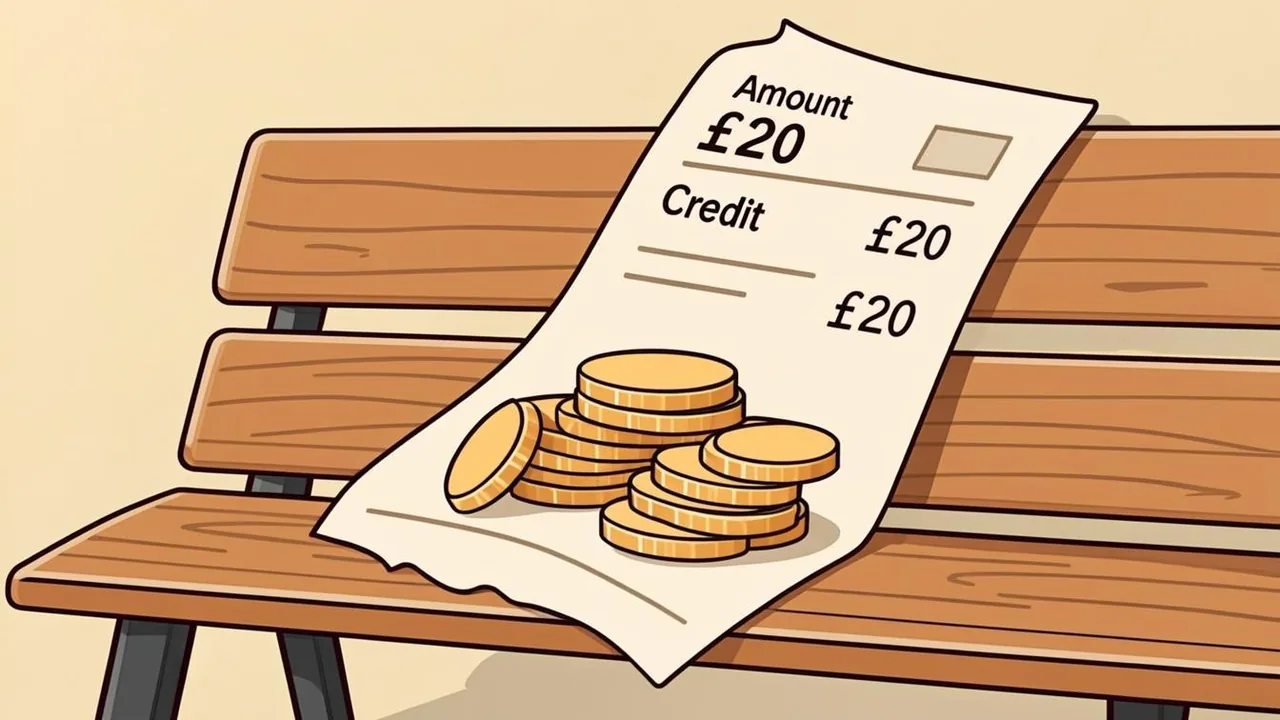
The grade: the receipt, stamped
The stamp follows the split. Side one passes without argument: £20.00 of credit for £0.00 is the best price on the site, and the session it buys is genuinely free. Side two fails the mean: a 40x specification against a 95% return expects to consume the balance before conversion, and the £80.00 cap sits exactly where the surviving variance would land. The composite grade is the honest one for the class: pass as a trial, fail as a builder.
Where the receipt is priced well - a 30x multiple, a £100.00 cap, a 14-day clock - the sample earns a place in a testing rotation: claim, measure, record, and let the dials decide. Where it is priced badly, the same five-minute split says so before any time is spent. Either way the method pays for itself on the first receipt, which is the only endorsement the bench offers.
The dials move the stamp. At 30x and a £100.00 cap the receipt is worth the effort; at 60x and a £20.00 cap it is decoration. Rooms on the board above sit across that range on their dials, and the bench grades each on its own settings rather than on the class average - the whole point of measuring the deletions individually.
Size changes the texture but not the method. The smaller credit sheet beside it runs the identical split at half the face value, with a specification to match; the £20.00 sample buys a longer session and a heavier specification in the same motion. The split, not the size, is what a player should price before claiming - and the split takes five minutes to read.
Before claiming: a second pass over the receipt
The second pass takes five minutes and follows the split. Confirm the multiple and compute the turnover; note the cap and where it sits relative to the balance; date the clock from the credit trigger, not from sign-up; find the stake ceiling and plan rounds under it. Four figures from one document, and the offer grades itself before the account is even funded - which, on a no-deposit sample, it never needs to be.
Keep the reading honest by checking the date on the terms. Operators re-issue no-deposit offers with new multiples and shorter clocks, and a receipt split from a cached page can describe an offer that no longer exists. The bench re-pulls the terms before every grade; the habit transfers to any player who wants the stamp to hold at cashout, which is the only place it is tested. A stamp earned on old terms is a stamp the room never issued.
A closing note on the instrument. The split receipt works on any credit offer at any size because the two sides never change shape: what arrives, and what the terms delete. Learn the split on a £20.00 sample and every larger banner becomes arithmetic. That is the bench's whole thesis on this tier - the figure is the advertisement, and the split is the offer. Five minutes with the terms answers it every time.
Frequently asked questions
Is a £20 free no deposit bonus really free?
Free of money, yes: no deposit is made, so no cash of yours is at risk. The cost is paid in terms instead - a turnover multiple near 40x, a withdrawal cap, a 7-day clock and a stake ceiling. The bench prices the package as attention rather than money: the credit buys a long free session with a small, capped chance of converting.
What is the catch with £20 no deposit offers?
The deletions, not a hidden charge. A 40x multiple asks £800.00 of counted play from a £20.00 balance; an £80.00 cap trims anything above it; the clock forfeits the remainder at expiry; and stakes above the ceiling void rounds. None of it is hidden - all four sit in the general terms - but none of it sits on the banner either.
Can I win real money from a £20 no deposit casino bonus?
Yes, within the cap. The balance must first survive the turnover specification, which on the mean it will not; conversions arrive when variance runs ahead of the average, and the cap then sets how much of that survival is withdrawable. Real money is therefore possible and common in small amounts, with the tail trimmed by design.
Why do I need verification if no deposit was made?
Because the checks attach to withdrawal, not to deposit. At sign-up the room needs nothing; at the first cashout it commonly asks for identity, address and payment papers, on its own schedule and thresholds. At an offshore room those thresholds are self-set, so the request can arrive without warning. Gathering the papers early turns the summons into an upload.
Do £20 no deposit bonuses appear on GAMSTOP-registered accounts?
They can, at rooms outside the register. GAMSTOP covers British-licensed sites, and a no-deposit offer from an offshore room is not blocked by a registration there. That boundary is part of the protection gap on this tier: the credit is reachable, and so are the terms, and the only appeal sits with whatever regulator the operator holds. Exclusion at such rooms has to be arranged directly.
How do £20 offers compare with £10 or £50 versions?
The split scales, the texture changes. A £10.00 credit halves the specification and the session; a £50.00 credit raises both, usually with a heavier multiple and a proportionate cap. Per pound of credit the terms are broadly similar across the tier, so the bench prices the offers on their dials - multiple, cap, clock, ceiling - rather than on the size of the headline figure.